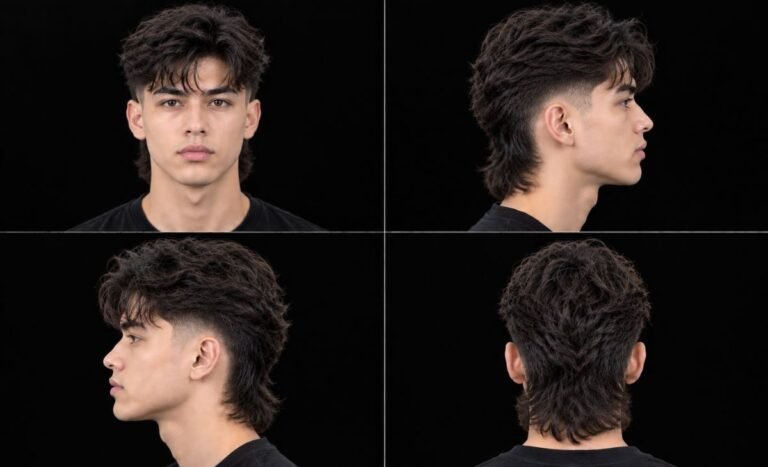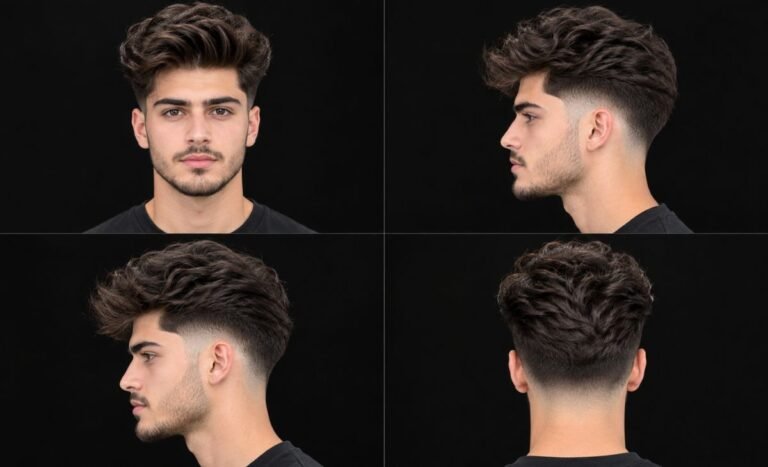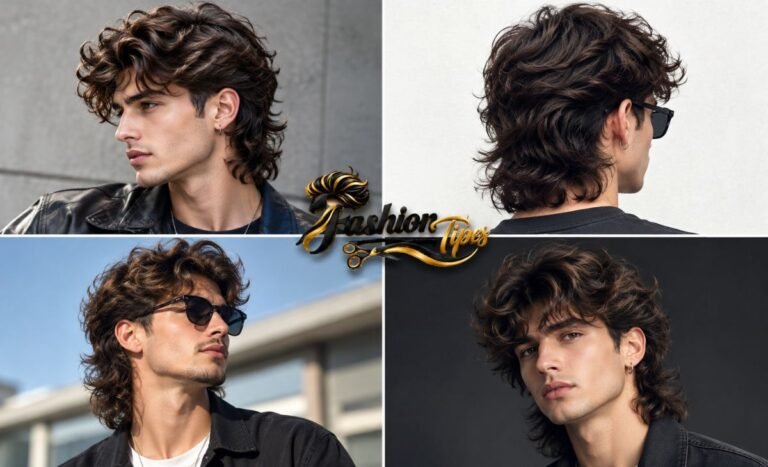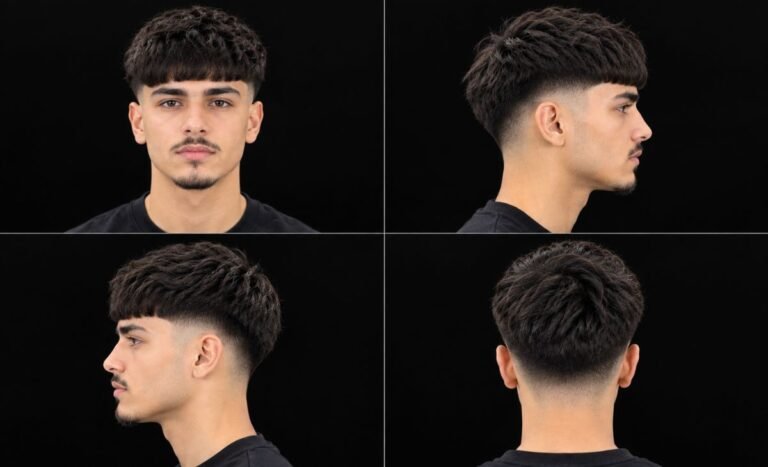
Textured Fringe Low Taper: Modern Haircut Guide for Men
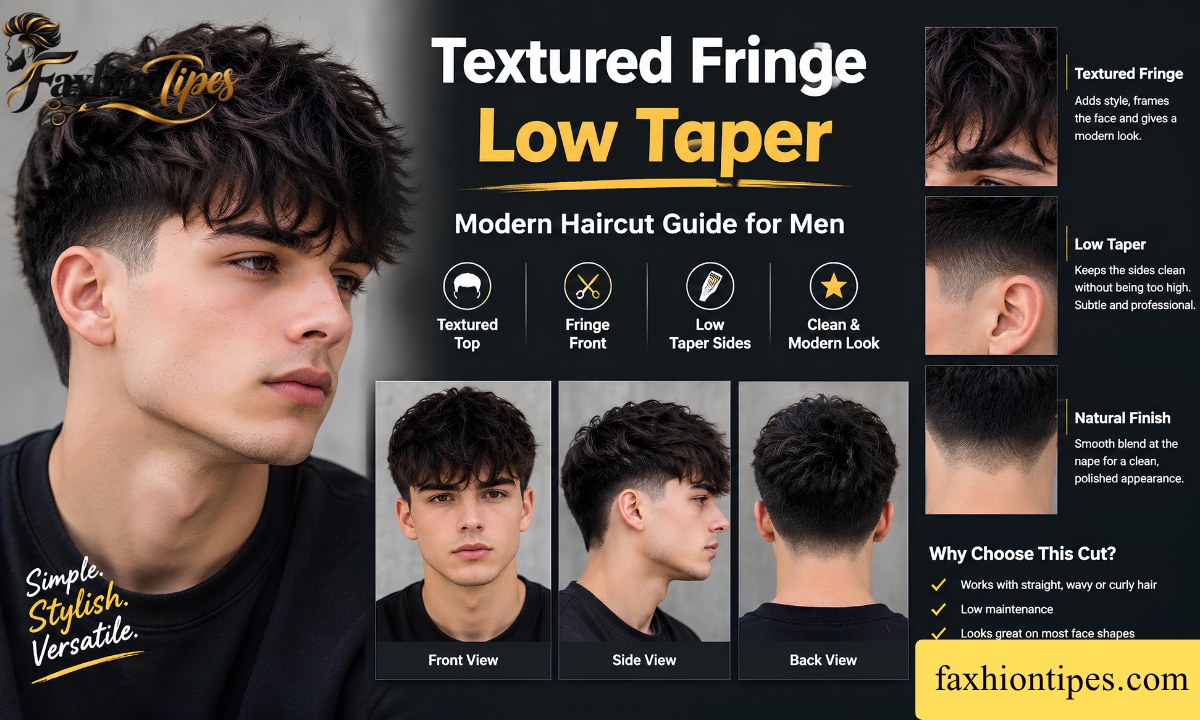
If you scroll through any barbershop’s Instagram right now, you’ll see it everywhere. The textured fringe low taper is one of the most requested cuts of the year. It mixes a soft, choppy fringe up top with a tight, close fade near the ears. The result is clean but not stiff. It looks good in a suit and just as good with a hoodie.
I’ve cut this style hundreds of times, and I want to walk you through it the way I would if you were sitting in my chair. No fluff, no guessing. Just what actually works, what to say to your barber, and what to expect for price and upkeep.
What Is a Textured Fringe Low Taper?
A textured fringe low taper is a haircut with choppy, textured hair on top and a low fade that starts just above the ears. The fringe sits over the forehead in soft, broken pieces instead of one flat line. Low means the fade blends into the skin only near the hairline and ears, not halfway up the head like a mid or high fade.
This combo works because the top does the talking and the sides stay quiet. You get movement and texture where people actually look, without the sides screaming for attention.
Here’s a quick breakdown of what separates it from cuts people often confuse it with:
| Feature | Textured Fringe Low Taper | High Fade Fringe | Buzz Cut Fringe |
| Fade start point | Just above the ear | Mid-scalp or higher | No fade, all one length |
| Top length | 2 to 4 inches | 2 to 4 inches | Under 1 inch |
| Best for | Most face shapes | Square, angular jaws | Low-maintenance guys |
| Styling time | 3 to 5 minutes | 3 to 5 minutes | Under 1 minute |
| Price range | $30 to $65 | $30 to $65 | $20 to $35 |
The low taper is the safer, more everyday choice. A high fade fringe reads louder and works best on guys with a strong jawline who want the contrast.
Read more hair:burst fade mullet
Which Fringe Will Suit Your Face Shape?
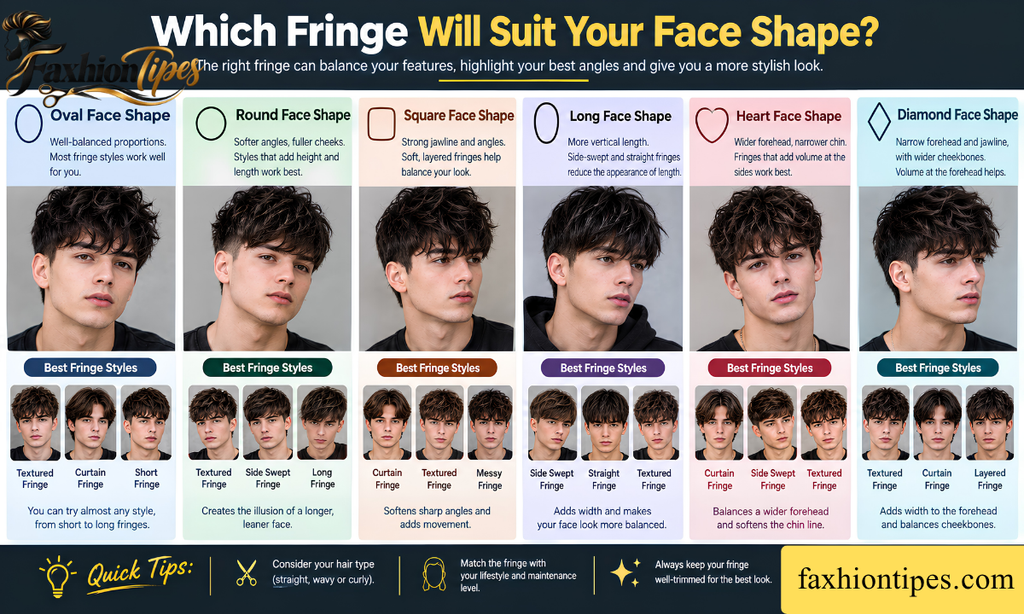
Your face shape decides how heavy or how choppy your fringe should sit. This matters more than most barbers tell you upfront.
Round faces need height and texture, not a heavy blunt fringe. Ask for a longer top with a lot of thinning, swept slightly to one side. A straight-across fringe on a round face just makes the face look shorter and wider.
Square faces can handle almost any fringe style, including a heavier, thicker one. The strong jawline balances out a bolder fringe without looking too busy.
Oval faces are the easiest to work with. Nearly every version of a textured fringe low taper suits an oval face, since there’s no width or angle to correct for.
Long faces do best with a fringe that sits low on the forehead. This shortens the visual length of the face. Keep the top shorter than usual, around 2 to 2.5 inches, so it doesn’t stretch things out further.
Heart-shaped faces (wider forehead, narrower chin) look best with a side-swept textured fringe rather than a straight one. It softens the forehead width instead of drawing a hard line across it.
If you’re not sure what shape you’ve got, look at a photo of yourself with your hair pulled back. Measure your forehead, cheekbones, and jaw width against each other. Barbers do this in about five seconds just by eyeballing you in the chair.
What Is the 3:2:1 Rule for Haircuts?
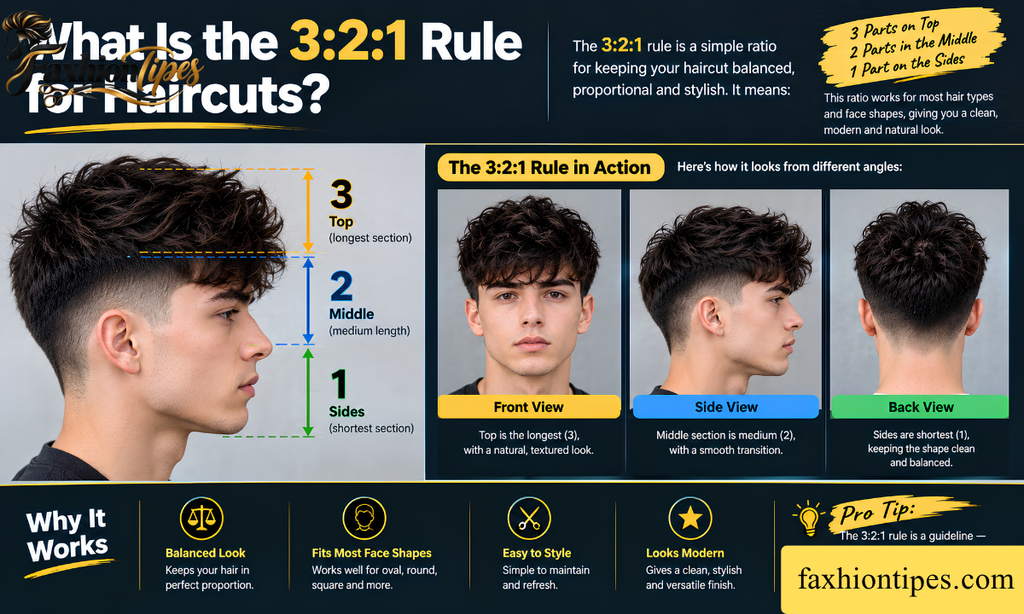
The 3:2:1 rule is a simple guide barbers use to keep proportions balanced across the top, sides, and back of a fade haircut. The top gets roughly 3 units of length, the mid-section gets 2, and the base near the skin gets 1.
In practical terms, for a textured fringe low taper, that usually looks like this:
- Top: left long, cut with texturizing shears to 2 to 4 inches
- Mid zone: blended with a size 2 or 3 guard
- Base near the ears and neckline: faded down with a 0.5 or 1 guard, or skin if you want a sharper line
This rule stops the classic “helmet head” look where the sides drop off too fast and leave a hard line instead of a smooth blend. Any barber worth their chair time should already know this ratio without you having to explain it. But if you’re new to a shop, mentioning “3:2:1 blend” tells them exactly the kind of gradual fade you want.
Can Asian Hair Handle a Textured Fringe?
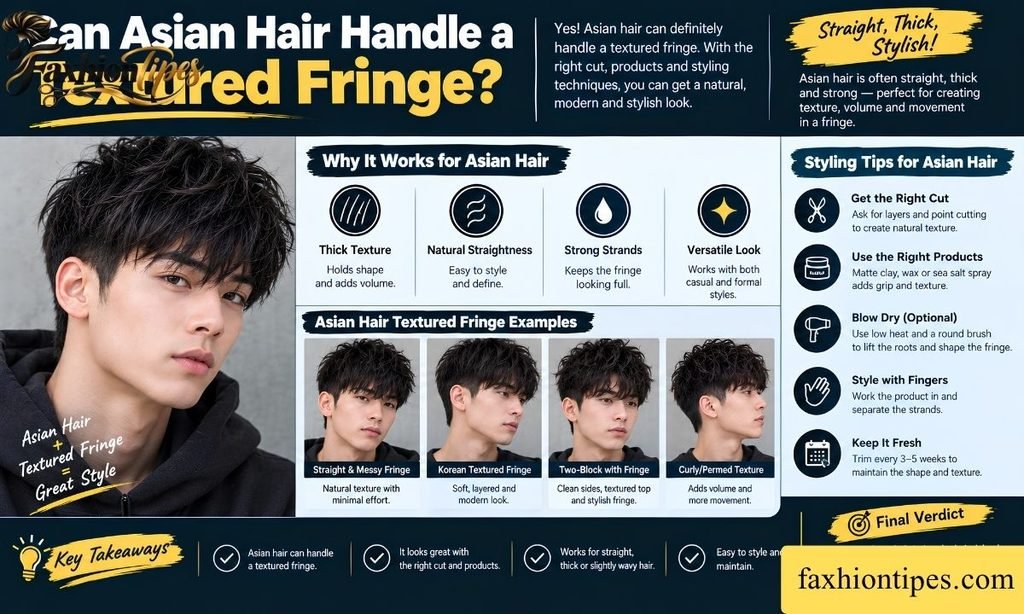
Yes, Asian hair works very well with a textured fringe low taper, often better than other hair types. Asian hair tends to be thicker and straighter, which gives the fringe more natural hold and less flyaway frizz.
The thickness that sometimes makes styling harder for other cuts actually helps here. A straight, dense fringe holds its shape through the day without needing three products to keep it down. The main adjustment barbers make is thinning out the top more aggressively with texturizing shears, since Asian hair can look bulky if it’s left too full.
Textured Fringe Low Taper for Asian Hair Types
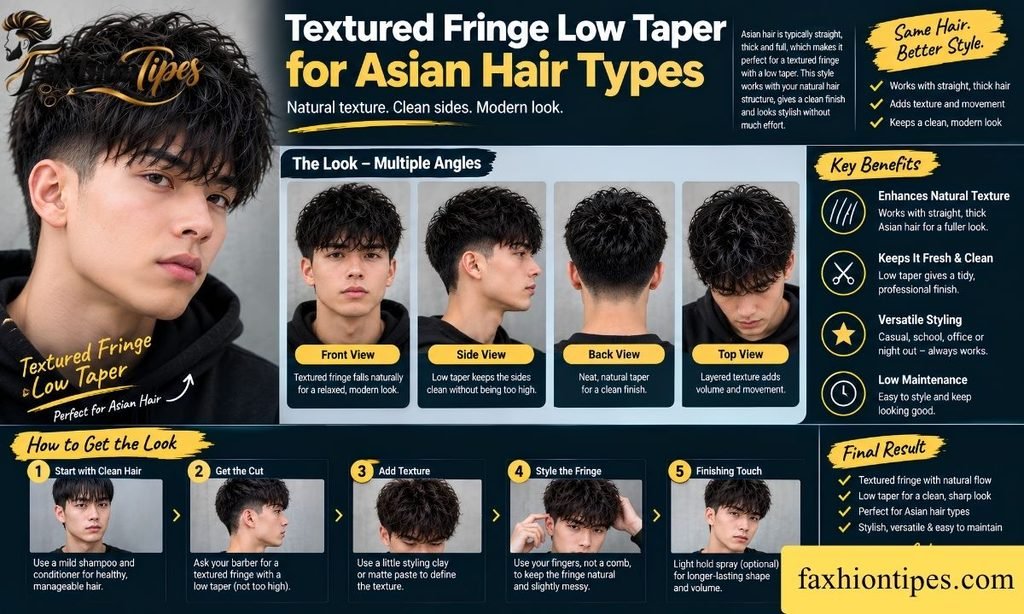
This version leans on thinning shears more than any other variation, since straight, thick strands need extra work to sit in loose, broken pieces instead of one dense block. It suits guys with straight, coarse, or medium-thick hair who want texture without constant restyling. Ask your barber for point-cutting on the top two to three inches, paired with a low taper using a 1 or 1.5 guard on the sides. For upkeep, a light matte clay works better than gel or wax, since it keeps the texture soft instead of making straight hair look stiff or shiny.
Textured Fringe Low Taper Fade Haircut Variations
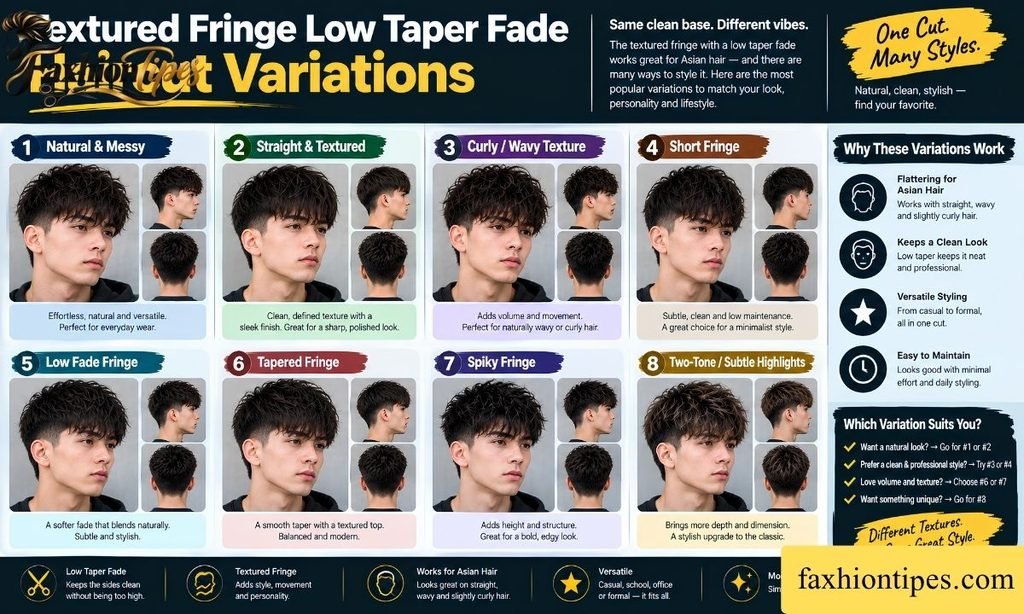
A textured fringe low taper fade haircut is really an umbrella term, and it splits into a few distinct styles depending on how the fade and fringe get handled. The skin fade version takes the sides down to bare skin for maximum contrast against the textured top. It suits guys with fuller, thicker hair on top who want the fringe to stand out hard against a clean base, typically cut with clippers going from a 2 guard down to skin over about half an inch of blending space. The taper-only version, without going to skin, keeps a slightly softer, more mature look and works well for guys in office jobs where a stark fade feels too flashy. For upkeep, skin fades need a trim every 2 to 3 weeks to stay sharp, while taper-only versions can stretch to 4 weeks between visits.
Styling and Maintenance for Textured Fringe Low Taper Men
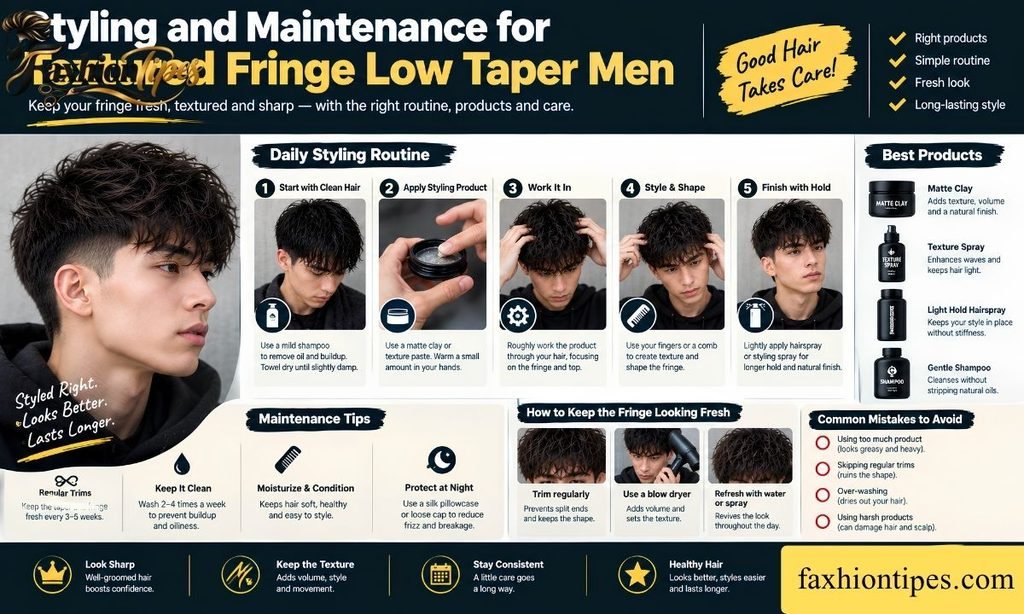
Getting this cut right in the chair is only half the job. Keeping it looking sharp between visits is where most guys drop the ball. Here’s what actually works.
Daily styling steps:
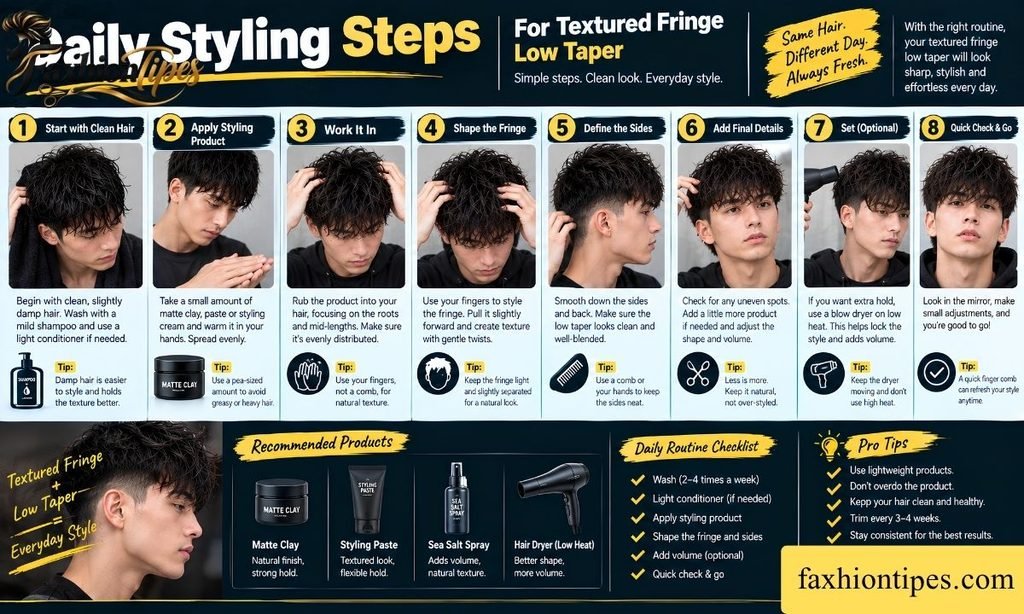
- Towel-dry hair until it’s damp, not soaking wet
- Rub a coin-sized amount of matte clay or light paste between your palms
- Work it through from the roots, pushing hair slightly forward and up
- Use your fingers, not a comb, to keep the piecey texture
- Let it air dry for the last few minutes to lock the shape
Maintenance schedule:
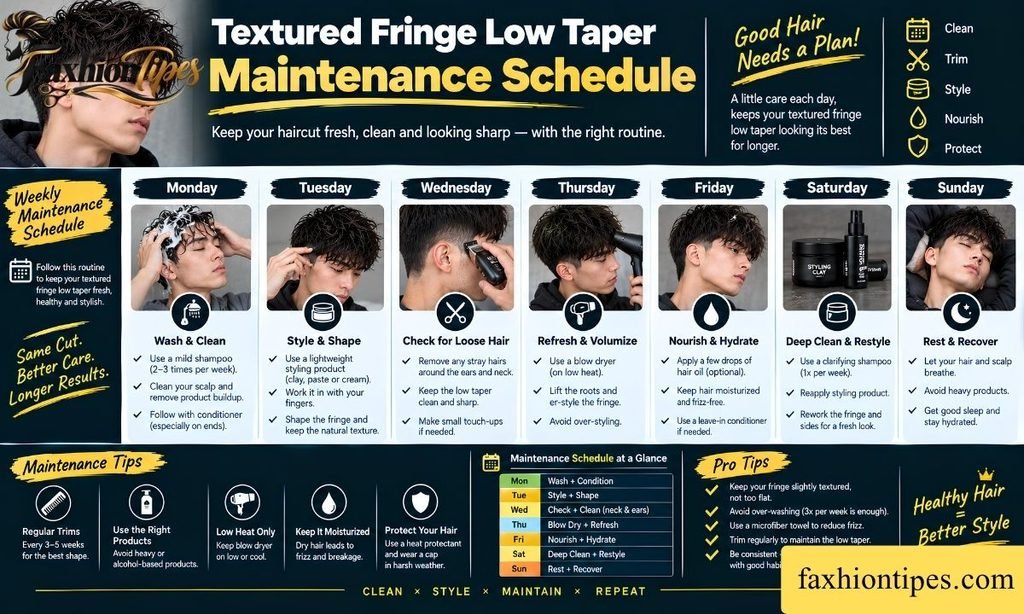
- Trim every 3 to 4 weeks to keep the fade from growing out and losing its blend
- Ask for a “line-up” only every other visit if you want a more relaxed look between full cuts
- Book a full reshape once your top length exceeds 4 inches, since that’s when the texture starts to weigh down and lose its lift
What to say to your barber (word for word):
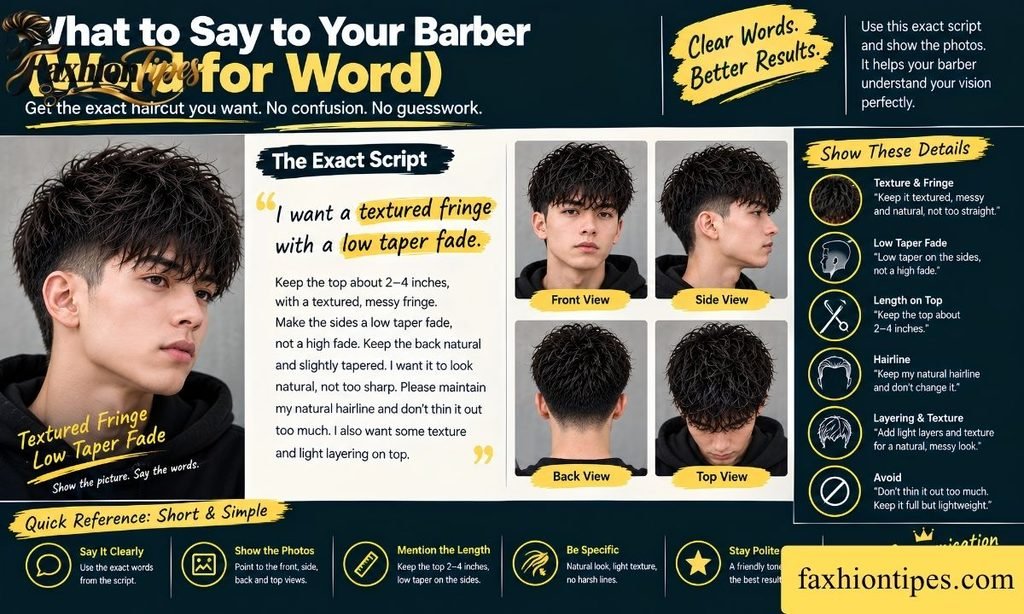
“I want a textured fringe low taper — around a 1 to 1.5 guard on the sides blending up to about 3 inches on top, with the fringe broken up and swept forward, not one straight line across.”
That single sentence gets you 90% of the way to exactly what you want, even at a shop you’ve never been to before.
Price expectations by shop type:
| Shop Type | Typical Price | What You Get |
| Chain barbershop | $20 to $35 | Basic cut, standard tools |
| Independent local barber | $35 to $55 | More precision, longer chair time |
| High-end grooming lounge | $55 to $90 | Hot towel, styling product included |
Tip your barber 15 to 20% if you’re happy with the result. It’s standard in most shops and it’s how you become a regular they remembe
Read more hair:burst fade mullet
FAQs
What is a textured fringe low taper?
It’s a haircut that pairs a low taper fade (hair gradually shortens near the ears and neckline) with a choppy, textured fringe left longer on top and styled forward over the forehead.
How long should hair be for a textured fringe low taper?
The top is usually left 2–4 inches long for texture and movement, while the sides fade down to skin or very short length near the ears.
Is a low taper fade good for a fringe haircut?
Yes — a low taper keeps the sides subtle and low-maintenance, which lets the textured fringe on top stand out as the focal point.
How do you style a textured fringe?
Apply a matte clay or texture paste to damp or dry hair, then use your fingers to push the fringe forward and separate strands for a piecey, natural look.
How often do you need a haircut for a low taper fringe?
Most people get a trim every 3–4 weeks to keep the taper crisp, since the fade grows out faster than the longer fringe on top.
Summary
A textured fringe low taper gives you a modern top with a clean, quiet fade underneath. It suits most face shapes, works with straight or curly hair, and only needs a trim every 3 to 4 weeks to stay sharp. Bring the barber script above to your next appointment, pick your guard numbers ahead of time, and you’ll walk out with exactly the cut you pictured. Book your chair time and give it a shot.