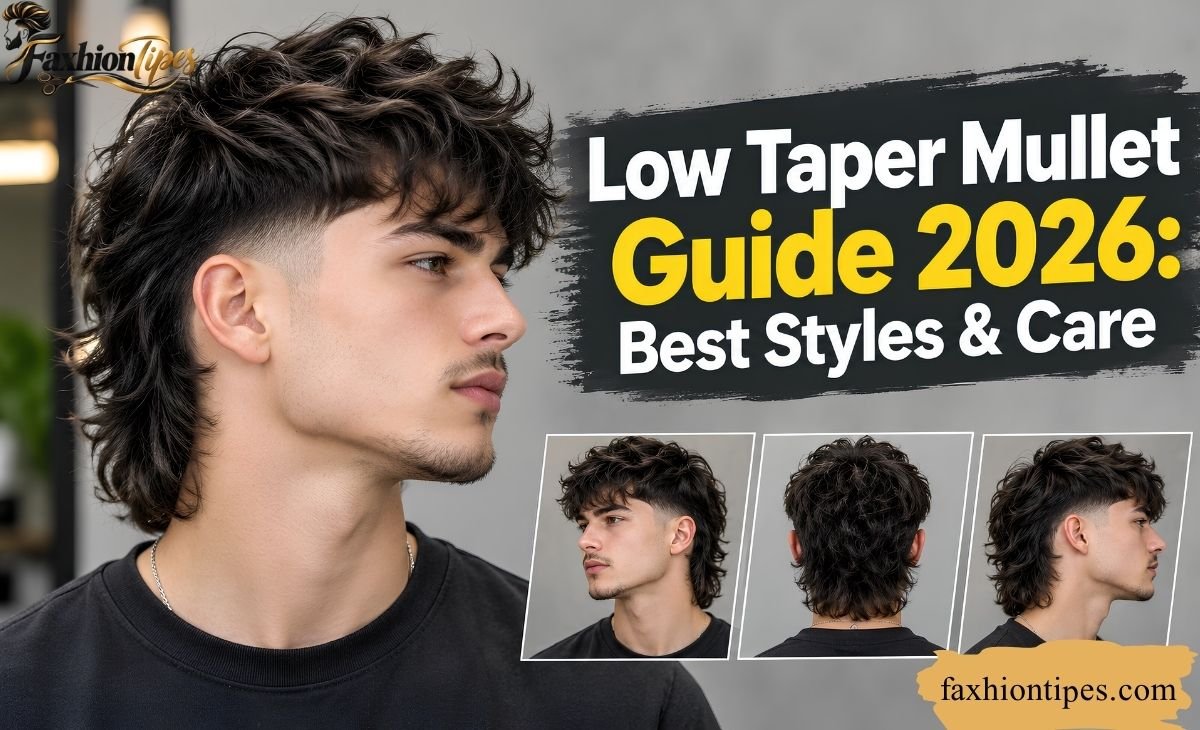
Low Taper Mullet Guide 2026: Best Styles & Care
A low taper mullet keeps the sides tight and fades close to the skin, while the back stays long. It’s the haircut that turned the old-school mullet into something you’d actually see walking into a nice restaurant. If you’ve been scrolling barbershop photos wondering if this cut works for you, sit tight. We’re covering every angle: face shape, hair type, guard numbers, and the exact words to say in the chair.
What Is a Low Taper Mullet
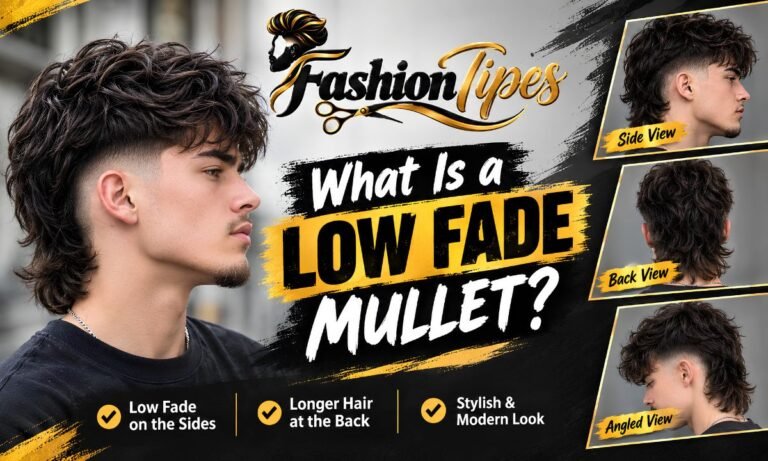
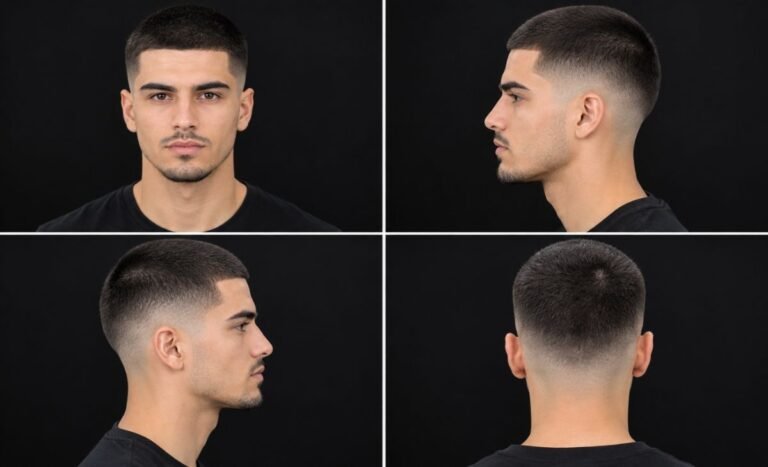
A low taper mullet is a haircut with a short, tight fade starting near the ear and blending into longer hair on top and in the back. The fade sits low, usually between the ear and the neckline, instead of climbing up toward the temple. This is what separates it from a mid or high taper mullet, where the blend starts higher up the head.
The look pairs clean, short sides with a loose, flowing back section. Barbers usually leave 4 to 8 inches of length in the back, depending on how dramatic you want the mullet look. Up top, the hair stays long enough to style forward, back, or messy.
Guys like this cut because it reads as neat from the front and rebellious from the back. That contrast is the whole point of a low taper mullet.
Face Shape and Hair Type Guide
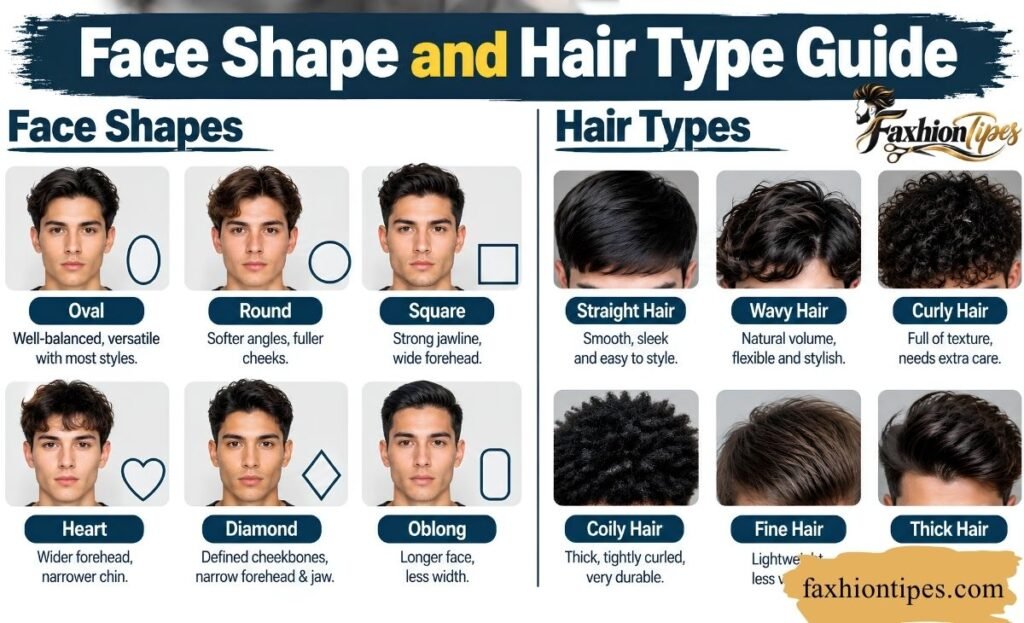
Your face shape and hair texture change how a low taper mullet sits, and a good barber adjusts the cut around both. Round faces do best with more height on top to add length visually. Square and oval faces can handle almost any version, including the flow style with less volume up top.
Read More Measurement ; low taper mullet
Hair type matters just as much as face shape here.
| Hair Type | Best Low Taper Mullet Style | Styling Note |
| Straight | Low Taper Mullet Straight Hair | Needs a texture spray to avoid looking flat |
| Wavy | Low Taper Mullet Wavy Hair | Holds shape naturally, low product needed |
| Curly | Low Taper Mullet Curly Hair | Ask for shape-cutting, not just length removal |
| Fine | Modern Mullet Taper Fade | Keep back shorter so it doesn’t look thin |
| Thick | Short Low Taper Mullet | Thinning shears help control bulk |
| Face Shape | Fits Best | Avoid |
| Round | More height on top | Flat, low-volume styles |
| Square | Most variations work | Nothing major to avoid |
| Oval | Flow style or middle part | N/A |
| Long | Fuller sides, less back length | Extra-long back sections |
| Heart | Textured fringe up front | Slicked-back styles |
Is a Low Taper Mullet a Thing?
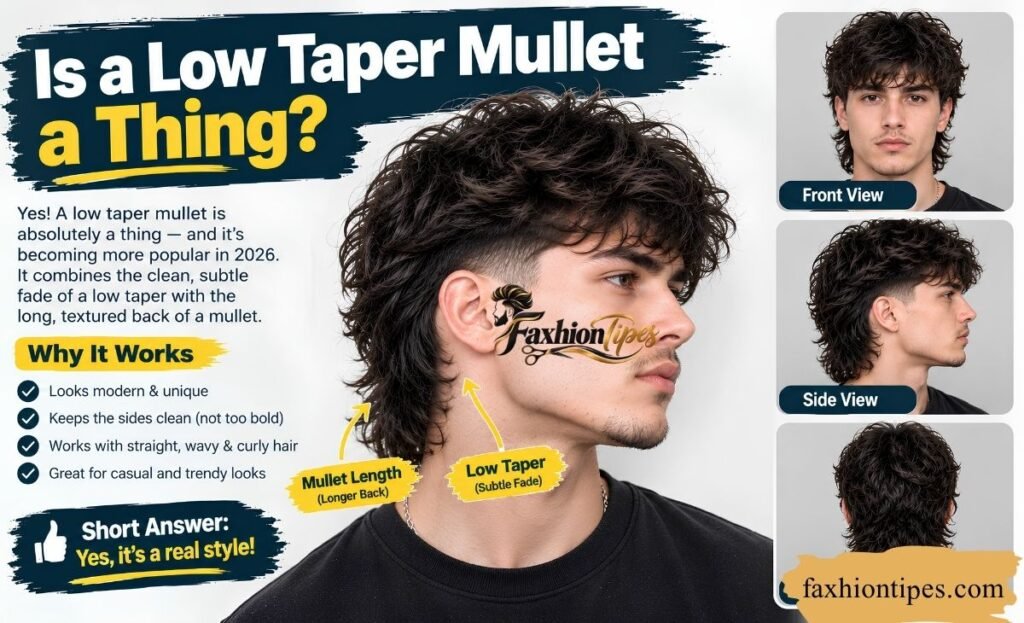
Yes, a low taper mullet is a real, named haircut that barbers request by that exact term. It’s not a nickname or a trend hashtag — it’s a specific combination of a low fade and mullet length in back. Search interest for this cut has climbed steadily since 2023, and most barbershops now list it on their menu boards. If you say “low taper mullet” to any trained barber, they’ll know precisely what to do.
What Is a Wolf Mullet?
A wolf mullet is a shaggier, curlier version of the mullet with heavy texture and less structure than a standard mullet. It blends mullet length with the choppy, layered look of a shag haircut. Guys with natural waves or curls often gravitate toward this version because it needs less daily styling. A wolf mullet can absolutely include a low taper on the sides — the two terms describe different parts of the same haircut.
What’s Better, Low or Mid Taper?
A low taper mullet gives a more conservative, work-friendly look, while a mid taper mullet shows more skin and reads as bolder. The low version keeps the fade close to the ear, so from the front it barely looks faded at all. A mid taper starts higher, closer to the temple, and stands out more in daily life. If your job has a dress code, a low taper mullet is the safer pick.
Who Can Pull Off a Mullet?
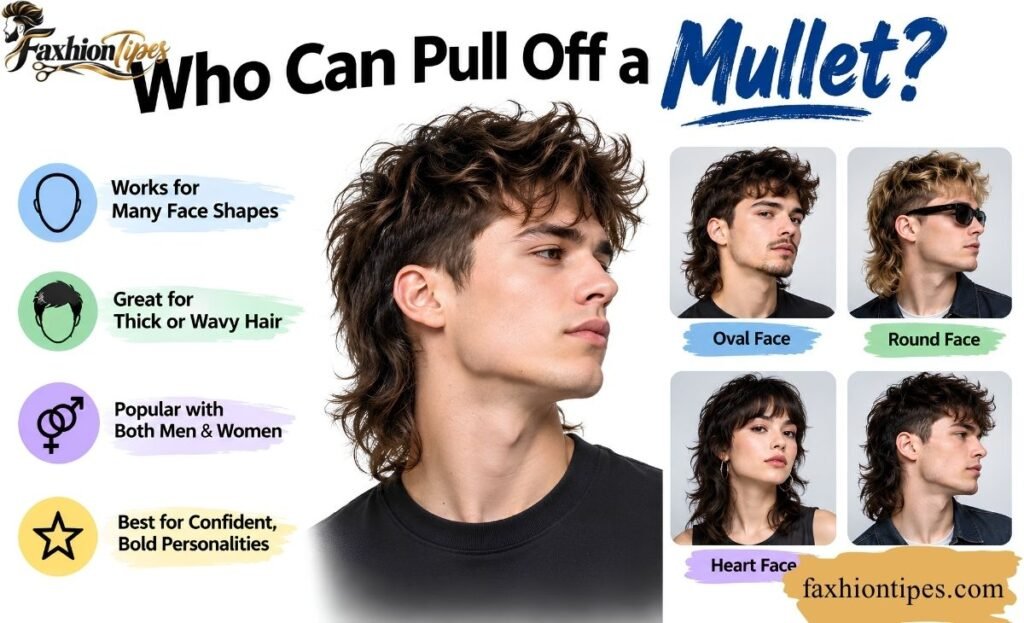
Almost anyone can pull off a mullet, but hair length, face shape, and lifestyle all affect how well it works. You need at least 3 to 4 inches of length in back before the mullet shape even shows up. People with active jobs or strict workplaces often lean toward the low taper version since it looks tamer. Curly and wavy hair types tend to carry mullets with the least daily effort.
Variations
Not every low taper mullet looks the same, and the small differences matter a lot in the chair. Below are 15 versions worth knowing before your next appointment.
1) Low Taper Mullet (Baseline)
This is the standard version and the one most guys mean when they just say “low taper mullet.” The fade sits low near the ear, usually a #2 or #3 guard, blending into 5 to 6 inches of length in back. It suits almost every face shape since the length is moderate and not extreme in either direction. Ask your barber for a “low blend, medium mullet length” to get this exact look.
2) Low Taper Mullet Fade
This version pushes the blend work harder, with more visible gradient between the skin and the longer hair. It suits guys who want sharper contrast without the fade climbing up the head. Barbers typically use a #1 guard at the bottom, fading up to a #3 within an inch. Expect to touch this one up every 2 to 3 weeks to keep the fade crisp.
3) Low Taper Mullet Straight Hair
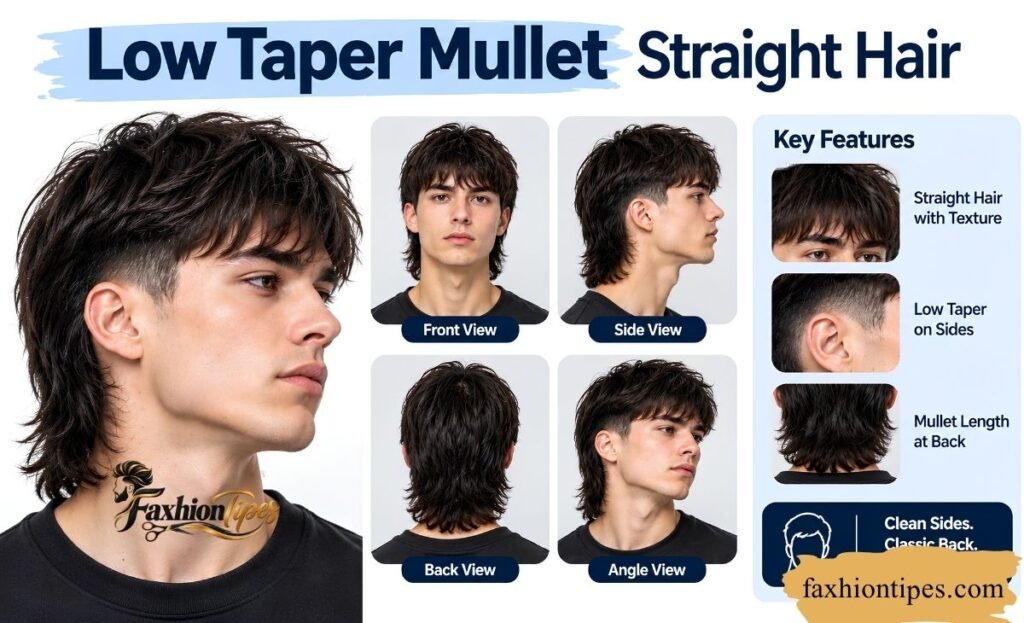
Straight hair makes this cut look sleek but can also make it fall flat without help. The style works best on guys who want a polished, almost business-casual mullet. A light pomade or sea salt spray adds texture that straight hair naturally lacks. Blow-dry with a round brush at the roots to stop the top from looking limp.
4) Low Taper Mullet Curly Hair
Curls add natural volume and texture, so this version often skips heavy styling products altogether. It’s a strong pick for guys who don’t want a daily styling routine. Barbers should cut curls dry first to see how they shrink and shape before fading the sides. A curl cream, not gel, keeps definition without stiffness.
5) Low Taper Mullet Wavy Hair
Wavy hair sits right between straight and curly, giving this version a natural, tousled look with little effort. It suits guys who want that “just rolled out of bed but somehow styled” appearance. A sea salt spray scrunched in while damp brings out the wave pattern nicely. This version usually needs the least maintenance of any on this list.
6) Modern Mullet Taper Fade
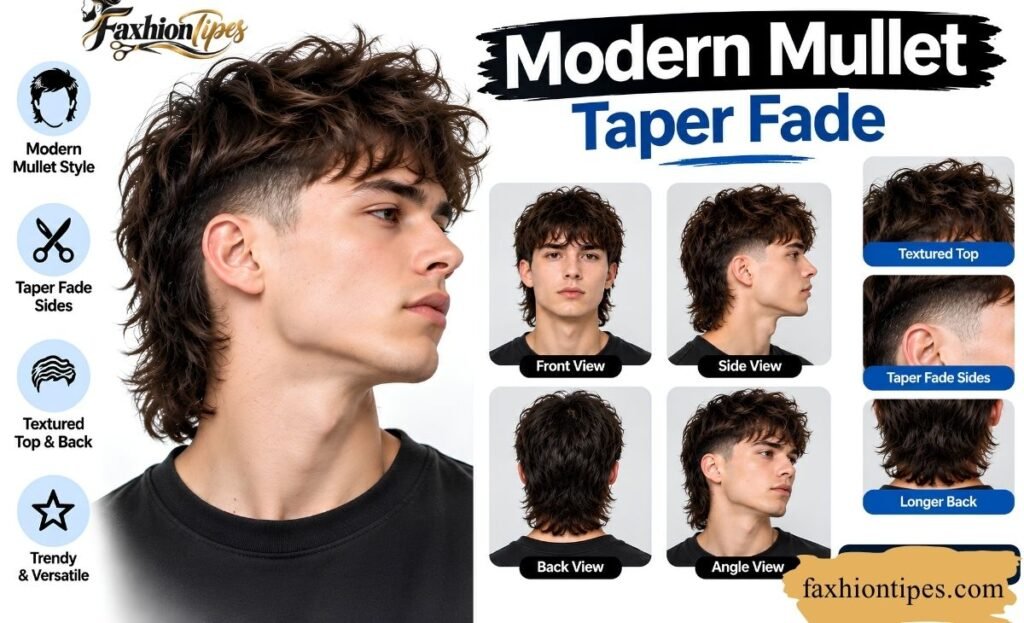
This is the version most often seen on younger guys and in current barbershop photos online. It combines a skin-low fade with a shorter, more controlled back section than older mullet styles. Guard numbers usually run from skin to a #2, fading fast within the first inch. Regular trims every 3 weeks keep the modern shape from growing out messy.
7) Taper Mullet Fade
Slightly different from the low taper mullet fade above, this version allows the blend to start a touch higher, around mid-ear. It gives more visible fade from the front while still keeping the length drop in back. This works well for guys who want a middle ground between subtle and bold. Ask specifically for the fade to “start at the middle of the ear” to avoid confusion with the low version.
8) Mid Taper Mullet
The mid taper mullet moves the fade start point up to the temple area, showing more skin than the low version. It’s bolder and more noticeable from the front, which some guys prefer for a stronger statement. This version suits square and oval face shapes especially well because it adds visual structure. Expect this fade to need refreshing slightly more often, closer to every 2 weeks.
9) High Taper Mullet
This is the boldest fade option, starting near the crown and dropping sharply down to the skin. It creates the strongest contrast between short sides and long back on this whole list. Guys with round or long face shapes should approach this one carefully since it adds height. A skilled barber blends this slowly to avoid a harsh, unnatural line.
10) Tapered Mullet
A tapered mullet is a broader, more general term for any mullet with a gradual fade instead of a hard line. It’s less about a specific guard number and more about the blending technique itself. This version gives barbers room to customize the fade height based on your face and hair type. If you’re not sure which specific style to ask for, “tapered mullet” is a safe starting phrase.
11) Short Low Taper Mullet
This version trims the back length down to around 2 to 3 inches, keeping the mullet subtle rather than dramatic. It works well for guys easing into the mullet trend without committing to a long back section. Thick hair types benefit most here since shorter length reduces bulk and weight. This style also grows out more gracefully than longer mullet versions.
12) Low Taper Mullet Middle Part
The middle part version adds a defined split down the center of the top section for a retro, styled look. It suits guys with straight to wavy hair since curls tend to fight a clean part line. A light-hold gel applied to damp hair helps the part stay put through the day. This works especially well paired with the flow style described below.
13) Low Taper Mullet Flow
The flow version lets the top hair sweep back naturally instead of forward or to one side. It gives an effortless, athletic look that’s popular among guys who play sports or skate. Length on top usually runs 4 to 6 inches to allow for that natural sweep-back motion. A light matte paste keeps the flow in place without looking greasy.
14) Men’s Low Taper Mullet
This is simply the most common way the style gets requested and searched for by men specifically. It typically follows the baseline version but with slightly shorter sides for lower maintenance. Most guys ask for this using a #2 guard on the sides with natural length left in back. It’s a safe, versatile request if you’re getting this cut for the first time.
15) Low Taper Mullet Fade for Wavy, Curly, Straight
This version isn’t one fixed look but a barber approach that adjusts fade height based on your specific hair type. Wavy hair usually gets a slightly higher blend since waves add visual volume near the ear. Curly hair often needs a lower, tighter fade to avoid excess bulk near the temple. Straight hair sits comfortably anywhere in between, giving barbers the most flexibility with this type.
How to Style in Three Steps
Styling a low taper mullet takes three simple steps: prep, product, and shape. Follow these in order every time for consistent results.
- Prep damp hair. Towel-dry until hair is damp, not wet, before adding any product.
- Apply the right product. Use texture spray for straight hair, curl cream for curls, or matte paste for flow styles.
- Shape with your hands, not a comb. Scrunch or push hair into place using fingers for a natural, undone finish.
Low Taper Mullet Men
Men choosing this cut usually want a low-maintenance style that still looks intentional at work or out with friends. The key is keeping the sides tight enough that regrowth doesn’t look sloppy between visits. Most guys get this refreshed every 3 to 4 weeks to maintain the fade line. A simple pomade or spray is all that’s needed for daily styling.
Low Taper Mullet Textured Fringe
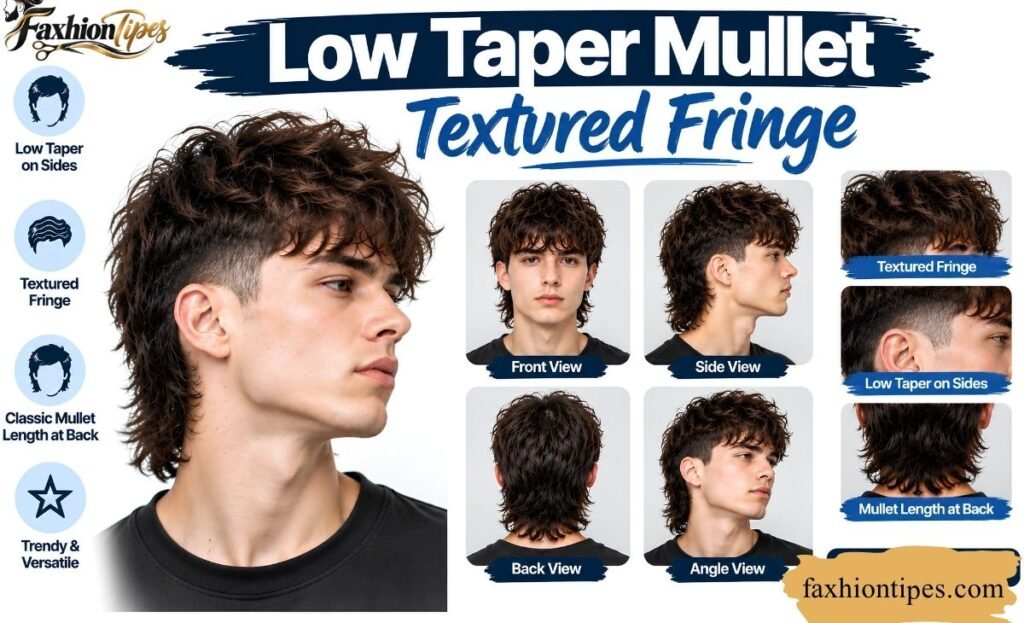
Adding a textured fringe means the front section gets choppy, piece-y ends instead of a blunt cut. This works great for guys who want their fringe to fall forward over the forehead. Barbers create this texture using point-cutting shears rather than a straight blade. A small amount of clay product separates the pieces without weighing the fringe down.
LOW TAPER Mullet With Beard
Pairing a low taper mullet with a beard creates balance between the short sides and the longer back section. A full or medium beard works best since it visually connects the fade to the jawline. Keep the beard neckline fresh at the same time as your taper touch-ups. Beard oil at night keeps facial hair soft and easier to shape each morning.
Barber Instructions
Here’s exactly what to say when you sit down in the chair, word for word.
“I want a low taper mullet — fade to skin or a #1 starting right at the bottom of my ear, blending up to a #3 within an inch. Keep the crown and top around 3 to 4 inches, and leave the back at 5 to 6 inches for mullet length. Don’t take much off the top — just clean up the shape. Blend the neckline low and natural, not squared off.”
This script works for almost any barber, even one you’ve never sat with before. Bring a photo too — verbal descriptions plus a picture avoid almost all mix-ups.
Care and Upkeep
A low taper mullet needs a fade touch-up every 2 to 3 weeks to stay sharp. The back and top only need trimming every 6 to 8 weeks to maintain length. Wash with a light shampoo 2 to 3 times a week — over-washing dries out the scalp and fades color faster. Use a leave-in conditioner on the back section since longer hair loses moisture quicker than short sides.
Expect to pay between $25 and $45 for a standard fade touch-up at most barbershops. A full cut and reshape typically runs $35 to $60, depending on your city and shop.
Read More Measurement ; low taper mullet
FAQs
What is a low taper mullet?
A low taper mullet is a haircut with a tight fade near the ear and long hair left in the back.
How short is a low taper mullet on the sides?
The sides usually run between skin-level and a #3 guard, fading low near the ear.
Is a low taper mullet good for round faces?
Yes, as long as you keep more height on top to add length to the face.
Can girls get a low taper mullet?
Yes, women get low taper mullets often, usually with more length and softer layering on top.
How do you ask for a low taper mullet at the barber?
Say “low fade to a #2 or #3, blending into 5 to 6 inches of length in back.”
Conclusion
A low taper mullet gives you the best of both worlds — clean sides up front, personality in the back. Whether you go curly, straight, with a beard, or with textured fringe, there’s a version here built for your hair. Bring the barber script above to your next appointment and skip the guesswork entirely. Your barber will handle the rest.
2 Comments